 Nina
Related article · 5 min read
AI hallucination: why ChatGPT makes things up
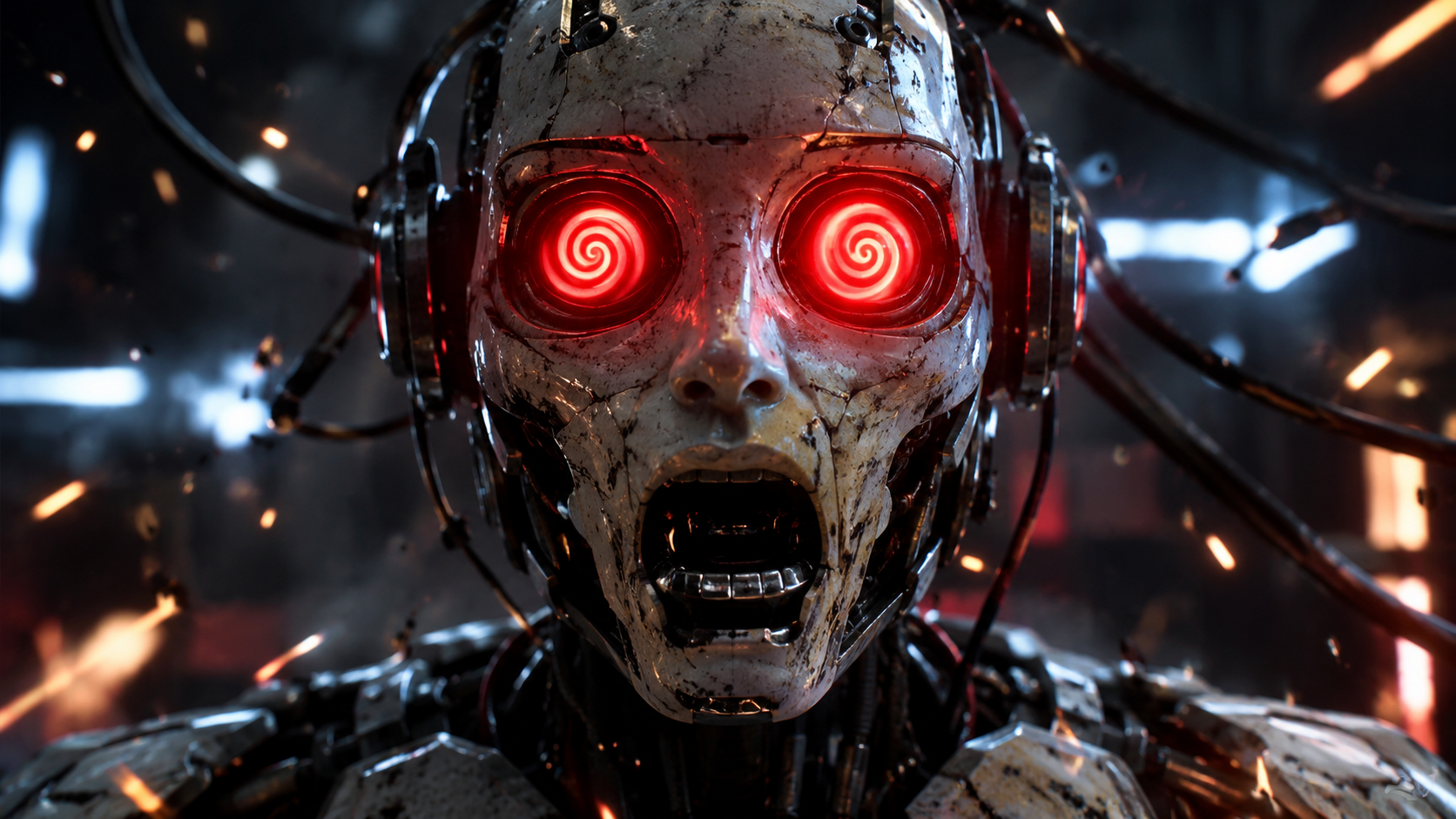
The expansion of large language models (LLMs) like ChatGPT has brought artificial intelligence into everyday life, but exposed a critical flaw: the ability to generate persuasive yet false responses.
Read articleDescription
AI Hallucination, why chatgpt makes things up ?
- Likes
- 0
- Views
- 0
- 2026
- Oct 28
What is AI hallucination, and why does ChatGPT make things up? An AI hallucination is when a chatbot gives you a false answer with full confidence. In this video you'll learn why it happens, real cases, and how to protect yourself. Real AI hallucination examples: - 2023: a New York lawyer used ChatGPT for a court filing. It cited 6 court cases that never existed. - Google's Bard got a James Webb telescope fact wrong at its launch. - An airline had to pay after its customer service chatbot invented a refund policy. Why do AI chatbots hallucinate? 1. They predict the next word: large language models (LLMs) pick the most likely answer, not the true one. Sounding natural is not the same as being correct. 2. Rare facts: on famous topics the AI is usually right, but when a fact (like a specific date) barely appears online, it builds one that looks real. 3. Training rewards guessing: in 2025, OpenAI showed that AI tests work like a multiple-choice exam. A blank scores zero, while a guess might score, so the model learns that guessing pays off. How to reduce AI hallucinations: connect the AI to answers with sources (web search), reward the model for saying "I don't know", and always double-check names, numbers and dates. Errors never hit zero. Have you ever caught ChatGPT making something up? Tell me in the comments. Read the full article below and subscribe for more about artificial intelligence, ChatGPT and AI tools.
#aihallucination #chatgpt #artificialintelligence #ai #llm #openai #generativeai #aitools #factcheck #aisafety #techexplained #machinelearning
Related articleAI hallucination: why ChatGPT makes things up